rime Minister’s post was created at the time of Pakistan’s independence. Since the post of Governor-General had not been abolished permanently at the beginning, Prime Minister initially did not have all executive powers. After the assassination of Pakistan’s first Prime Minister, Liaquat Ali Khan in 1951, there came seven different Prime Ministers within a period of six years and all of them were from Muslims League except Sir Feroz Khan Noon, who was from the Republican Party.
Then after the coup d’état from General Ayub Khan, Prime Minister’s post was abolished for a period of 13 years and 2 months up till 1971. There was a very short period of recreation of the post when Nurul Amin was appointed Prime Minister for merely 13 days and alongside him, General Yahya Khan also illegally made both Zulfikar Ali Bhutto and Mujibur Rehman Vice Prime Ministers, but they never acquired these positions.
Subsequently, the posts had been abolished four more times, all when the military take over occurred. Currently, under the 18th Amendment passed in 2010, Prime Minister is the head of the state of Pakistan and holds more power than any other government official, including the President. Here is the complete list of Prime Ministers of Pakistan since 1947.
1. Liaquat Ali Khan (1896 – 1951)
In Office: 14 August 1947 – 16 October 1951
Status: Elected democratically
Political Party: Muslim League
Total Duration: 4 Years, 2 Months, 2 Days
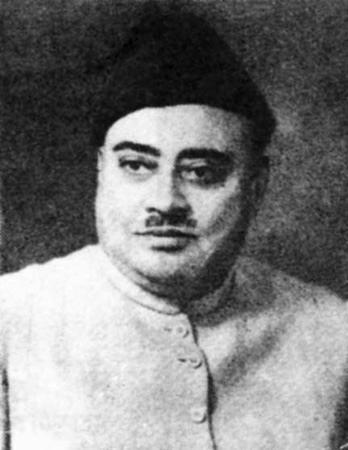
2. Sir Khawaja Nazimuddin (1894 – 1964)
In Office: 17 October 1951 – 17 April 1953
Status: Elected democratically
Political Party: Muslim League
Total Duration: 2 Years exactly
3. Muhammad Ali Bogra (1909 – 1963)
In Office: 17 April 1953 – 12 August 1955
Status: Elected democratically
Political Party: Muslim League
Total Duration: 2 Years, 2 Months, 26 Days
4. Chaudhry Muhammad Ali (1905 – 1980)
In Office: 12 August 1955 – 12 September 1956
Status: Elected democratically
Political Party: Muslim League
Total Duration: 1 Year, 1 Month exactly
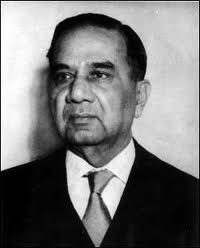
5. Huseyn Shaheed Suhrawardy (1892 – 1963)
In Office: 12 September 1956 – 17 October 1957
Status: Elected democractically
Political Party: Awami League
Total Duration: 1 Year, 1 Month, 5 Days
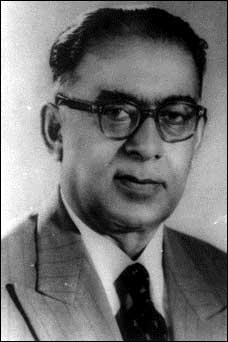
6. Ibrahim Ismail Chundrigar (1898 – 1968)
In Office: 17 October 1957 – 16 December 1957
Status: Elected democratically
Political Party: Muslim League
Total Duration: 1 Month, 29 Days
7. Sir Feroz Khan Noon (1893 – 1970)
In Office: 16 December 1957 – 7 October 1958
Status: Elected democratically
Political Party: Republican Party
Total Duration: 9 Months, 21 Days
Post Abolished: 7 October 1958 – 7 December 1971
Total Duration of Abolishment: 13 Years, 2 Months exactly
8. Nurul Amin (1893 – 1974)
In Office: 7 December 1971 – 20 December 1971
Status: Elected democratically
Political Party: Pakistan Muslim League
Total Duration: 13 Days Only
Post Abolished: 20 December 1971 – 14 August 1973
Total Duration of Abolishment: 1 Year, 7 Months, 25 Days
9. Zulfikar Ali Bhutto (1928 – 1979)
In Office: 14 August 1973 – 5 July 1977
Status: Elected democratically
Political Party: Pakistan Peoples Party
Total Duration: 3 Years, 10 Months, 21 Days
Post Abolished: 5 July 1977 – 24 March 1985
Total Duration of Abolishment: 7 Years, 8 Months, 19 Days
10. Muhammad Khan Junejo (1932 – 1993)
In Office: 24 March 1985 – 29 May 1988
Status: Elected democratically
Political Party: Independent; Pakistan Muslim League
Total Duration: 3 Years, 2 Months, 5 Days
Post Abolished: 29 May 1988 – 2 December 1988
Total Duration of Abolishment: 6 Months, 3 Days
11. Benazir Bhutto (1953 – 2007)
In Office: 2 December 1988 – 6 August 1990
Status: Elected democratically
Political Party: Pakistan Peoples Party
Total Duration: 1 Year, 8 Months, 4 Days
- Ghulam Mustafa Jatoi (1931 – 2009)
In Office: 6 August 1990 – 6 November 1990
Status: Caretaker/Acting
Political Party: None
Total Duration: 3 Months exactly
12. Nawaz Sharif (Born 1949)
In Office: 6 November 1990 – 18 April 1993
Status: Elected democratically
Political Party: Pakistan Muslim League (N), Islami Jamhoori Ittehad *changed later
Total Duration: 2 Years, 5 Months, 12 Days
- Balakh Sher Mazari (Born 1928)
In Office: 18 April 1993 – 26 May 1993
Status: Caretaker/Acting
Political Party: None
Total Duration: 1 Month, 8 Days
Nawaz’s Second Term:
In Office: 26 May 1993 – 18 July 1993
Status: Elected democratically
Political Party: Pakistan Muslim League (N)
Total Duration: 1 Month, 22 Days
- Moeenuddin Ahmad Qureshi (Born 1930)
In Office: 18 July 1993 – 19 October 1993
Status: Caretaker/Acting
Political Party: None
Total Duration: 3 Months, 1 Day exactly
Benazir’s Second Term:
In Office: 19 October 1993 – 5 November 1996
Status: Elected democratically
Political Party: Pakistan Peoples Party
Total Duration: 3 Years, 17 Days
- Malik Meraj Khalid (1916 – 2003)
In Office: 5 November 1996 – 17 February 1997
Status: Caretaker/Acting
Political Party: None
Total Duration: 3 Months, 12 Days
Nawaz’s Third Term:
In Office: 17 February 1997 – 12 October 1999
Status: Elected democratically
Political Party: Pakistan Muslim League (N)
Total Duration: 2 Years, 7 Months, 23 Days
Post Abolished: 12 October 1999 – 20 November 2002
Total Duration of Abolishment: 3 Years, 1 Month, 8 Days
13. Zafarullah Khan Jamali (Born 1944)
In Office: 21 November 2002 – 26 June 2004
Status: Acting/Appointed by the President
Political Party: Pakistan Muslim League (Q)
Total Duration: 1 Year, 7 Months, 5 Days
14. Chaudhry Shujaat Hussain (Born 1946)
In Office: 30 June 2004 – 20 August 2004
Status: Elected democratically
Political Party: Pakistan Muslim League (Q)
Total Duration: 1 Month, 21 Days
15. Shaukat Aziz (Born 1949)
In Office: 20 August 2004 – 16 November 2007
Status: Elected democratically
Political Party: Pakistan Muslim League (Q)
Total Duration: 3 Years, 2 Months, 27 Days
- Muhammad Mian Soomro (Born 1950)
In Office: 16 November 2007 – 25 March 2008
Status: Caretaker/Acting
Political Party: Pakistan Muslim League (Q)
Total Duration: 4 Months, 9 Days
16. Yousaf Raza Gillani (Born 1952)
In Office: 25 March 2008 – Incumbent
Status: Elected democratically
Political Party: Pakistan Peoples Party
Duration as of April 5th, 2012: 4 Years, 11 Days
- Longest Time Served by a Prime Minister: Liaquat Ali Khan (4 Years, 2 Months, 2 Days)
- If Yousaf Raza Gillani continues to serve, he might break this record on 27 May 2012 becoming the longest consecutively serving Prime Minister in Pakistan’s history.
- After aggregating Nawaz Sharif’s three terms, his duration totals up to 4 years, 13 months and 57 days or 5 years, 2 months and 27 days. After aggregating Benazir Bhutto’s two terms, her duration totals up to 4 years, 8 months and 21 days. Thus both Nawaz Sharif and Benazir Bhutto are the longest non-consecutively serving prime ministers.
- Shortest Time Served by a Prime Minister: Nurul Amin (13 Days) during 1971 Bangladesh-Pakistan War
- Political Party Having the Most Number of Serving Prime Ministers: 5 from Muslim League
- Total Duration of Prime Ministers from Muslim League: 9 Years, 6 Months, 57 Days or in aggregation 9 Years, 7 Months, 27 Days
- Total Duration of Democratic Prime Ministers: 30 Years, 51 Months, 254 Days or in aggregation 34 Years, 11 Months, 14 Days
- Number of Times Prime Minister’s Post Abolished: 5 Times
- Total Duration of the Post Abolishment: 24 Years, 24 Months, 53 Days or in aggregation 26 Years, 1 Month, 23 Days
- Longest Post Abolishment Period: 13 Years, 2 Months during Zia-ul-Haq’s dictatorship
- Shortest Post Abolishment Period: 6 Months, 3 Days after the death of Zia-ul-Haq
- Number of Times Caretakers Came: 5 Times
- Longest Time Served by a Caretaker: Muhammad Mian Soomro (4 Months, 9 Days)
- Shortest Time Served by a Caretaker: Balakh Sher Mazari (1 Month, 8 Days)
- Total Duration of Caretakers’ Terms: 14 Months, 30 Days or in aggregation 1 Year, 3 Months